
Creating Shared Approaches: Tuning Protocol for Building Consensus

“Effectively, change is almost impossible without industry-wide collaboration, cooperation, and consensus.”
– Simon Mainwaring

INTRO
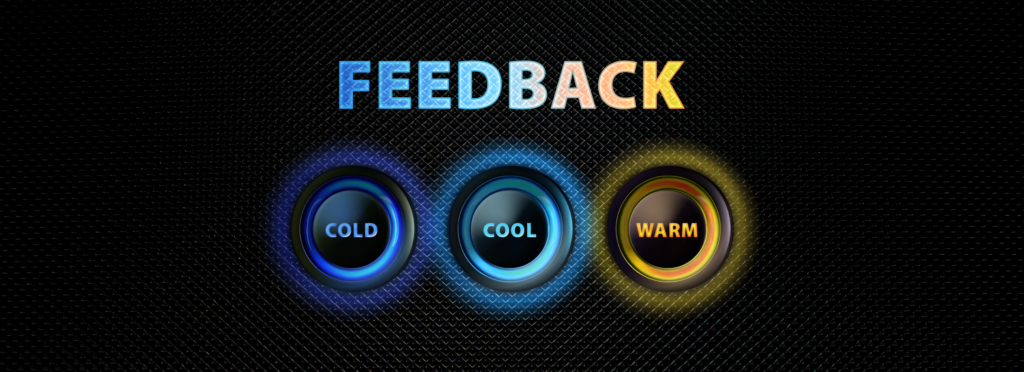
It is critical for school leaders to understand the importance of consensus building within school communities, process feedback, and effectively communicate with stakeholders throughout the decision-making processes. This protocol is designed to gather warm, cool, and cold feedback from your school community, which can be used to “tune” or adapt the decisions and approaches you move forward with.
OBJECTIVES
- Gather consensus on initiative or idea
- Identify gaps when consensus building
- Communicate feedback of reshaped initiative or idea
Consensus building is a collaborative process where everyone works together to reach a shared agreement about how to move forward. This approach often leads to better buy-in and more successful outcomes. Selecting the best decision-making process depends on factors like the number of people involved, time constraints, and the level of commitment needed.
A common misconception around building consensus is that everything has to be created collectively, which is unrealistic, and that consensus means everyone is in complete and enthusiastic agreement, which rarely happens. The tuning protocol relies on the idea that it’s easier for people to react than create, and that consensus is a process to deepen commitment to shared approaches rather than an outcome to be achieved. This allows for small groups, or even individuals, to craft ideas to explore more deeply with a larger group and address both positive and negative feedback.
This protocol can be used for a variety of situations such as decisions around advisory, curriculum, master schedule, and more. This protocol is designed for gathering consensus around impactful and far reaching designs or practices.
When shifts happen, particularly big shifts, they can have an impact on everyone at the site. Having a small group of staff to develop the direction, go through the tuning protocol, and refine your original idea allows for your staff to have buy-in and understand what others may be thinking.
Tip
Consider the different types of leadership described in In Praise of the Incomplete Leader. It can be beneficial to have a small group of sense makers and inventors create the initial idea
Process

Introduce the protocol
Give the group an overview of the protocol so they are prepared to listen with the lens of warm, cool, and cold feedback, and identify clarifying questions to ask. This is especially important the first time you facilitate this protocol with a group, however as it becomes part of your regular practices you can shorten the introduction.
“You are going to be presented with a big idea that is just that – a big idea. Your feedback is going to help shape the idea and the ultimate decision as to whether or not to proceed from idea phase to development and implementation phase.
Listen to a presentation of the idea and as you are doing so, look for the following types of feedback:
Warm – I love this element of the idea.
Cool – I am concerned about this element or something that might be missing.
Cold – I believe the idea has some fatal flaws
After the presentation, you will have time to ask clarifying/probing questions (with the recognition that the questions may not be able to be fully answered as the big idea has not been fully developed).”
Present the idea
Present your plan or idea to your stakeholder group. Consider using a protocol like The Executive Briefing Protocol to help you prepare your thoughts and help you recognize how others may think while you construct your idea before going through the tuning protocol.
Address clarifying questions
Allow the group members to ask clarifying questions, but be aware of becoming side tracked based on members’ personal agendas.
Gather warm, cool, and cold feedback
In validity based arguments, good arguments, claims, or decisions need to be vetted for their weakest assumptions. Too often what happens with decisions at the school level when you don’t have a process to unearth weak assumptions or counter arguments is that you end up with a decision that is fatally flawed. The goal is to gather the cool and cold feedback that represent those weak assumptions and counter arguments. Warm feedback can be beneficial in identifying what resonated most and where there are areas of enthusiasm that can be leveraged to keep folks engaged in the process.
Incorporate and respond to feedback
To use this protocol effectively and build consensus, you have to be willing to gather the information and actually “tune” the idea or decision. This means when cold feedback is given it needs to be addressed. The resolution may not be that cold becomes warm, but it could be cold becomes cool. Consensus doesn’t mean universal enthusiasm, but it wouldn’t be a useful process if feedback is gathered and then the cold comments are ignored. Cool and cold comments are used to not only build consensus but to also improve the outcome.
Intentional communication needs to happen after a decision has been made and things have moved to show your staff, students, and community how their feedback (particularly the cold feedback) shaped the final product. Engaging in a tuning protocol is an opportunity to listen to the voices of your community and allow diverse ideas and new perspectives to shape the direction of the school or district. The actual consensus building process isn’t complete until the idea has been reshaped and you communicate how the collective influenced the decision that was ultimately made.
Closing the Feedback Loop
Closing the feedback loop ensures that staff and students see their input lead to action. When leaders follow up on feedback, they build trust, strengthen relationships, and turn insights into meaningful improvement.
Read more about closing the feedback loop below.
Adapting and Applying the Protocol
This protocol can be tailored to fit different group sizes, settings, and stages of idea development. Whether you’re working asynchronously through tools like surveys or shared documents or gathering in person, flexibility is key. As an idea evolves, you can run the tuning protocol multiple times to gather iterative feedback. Participants can provide clarifying questions and suggestions in writing, which can then be synthesized into collective insights. You might also explore the use of artificial intelligence tools to help summarize and surface key themes from feedback, making the process more efficient and accessible.
As you plan for implementation, take a moment to reflect:
- How are you fostering a brave space for authentic dialogue and honest feedback?
- How might input from others help shape and strengthen your initial idea?
- Is the feedback process accessible for everyone in your community? Consider potential barriers such as technology access, language differences, visual impairments, or neurodivergent needs, and plan accordingly.

About the Author
Dr. Matt Coleman is the CEO of Inflexion, where he leverages his deep-rooted expertise in school systems change to drive impactful educational reform. With a career spanning various roles—from educational assistant to assistant superintendent—Matt’s experience encompasses every level of secondary education.
Connect With Matt
This protocol was adapted from the Center for Leadership & Educational Equity








Great protocol to use when making crucial decisions that impact the broader community and requires positive outcomes. This protocol allows for processing and dialogue to help people come to a consensus organically and authentically. For example, making a decision on a new bell schedule. A small group brings research, data, and options that the broader community use as foundation to make a crucial decision through this protocol.