
Create Internship Programs With Local Businesses to Provide Students Opportunities & Experience

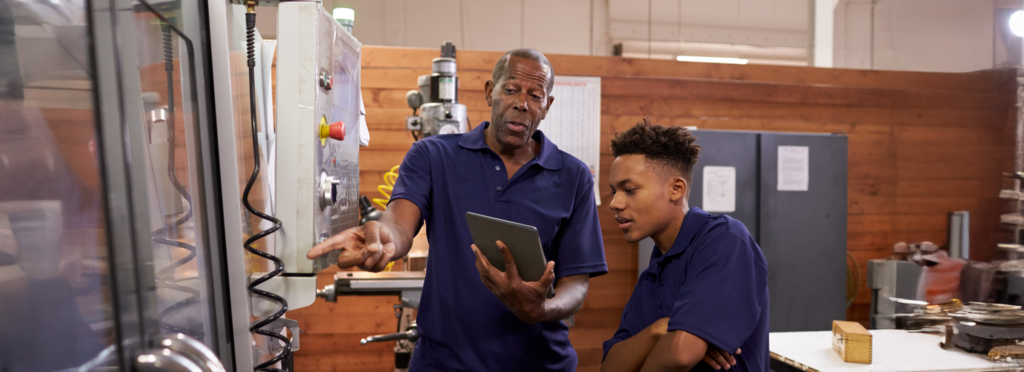
Academic mastery alone doesn’t prepare students for what comes next. Students also need meaningful opportunities to connect their learning to real life beyond the classroom. These experiences help develop student agency, broaden their sense of purpose, and prepare them for life after graduation.
OBJECTIVES
- Expand access to real-world learning for all students.
- Strengthen readiness by connecting learning to life beyond school.
As school leaders, we have a critical role to play in creating these connections through internship experiences that bridge the gap between school and the world students are stepping into.
Why Internships Matter
A strong high school internship program empowers students to:
- Explore their interests and test out potential careers.
- Connect classroom learning to real-world tasks.
- Develop professional skills such as communication, time management, and collaboration.
- Build relationships with mentors and potential employers.
- Strengthen their sense of purpose and belonging.
Tell me and I forget, teach me and I may remember, involve me and I learn.
-Benjamin Franklin
In a reflection published in The Hechinger Report, a Minnesota educator shared how internships transformed students’ trajectories, especially for those from low-income communities. The program she describes, run in partnership with Genesys Works, helped students build confidence, earn income, and successfully transition to college or careers. Her team identified six critical elements that made the program effective. These are essential considerations for any school leader looking to build or strengthen internship opportunities:

Prepare students before they start
Many students enter internships without prior job experience. Before placements begin, provide training that builds communication skills, self-confidence, and workplace awareness. A summer or in-class prep program can go a long way.

Design meaningful, not menial, roles
Avoid internships that rely on filing papers or running errands. Instead, offer students real tasks that let them contribute meaningfully to the organization’s goals.

Extend the experience over time
A single week may not offer enough depth. Programs that last a semester or full school year allow students to grow, take on more responsibility, and form stronger relationships with adults.

Provide consistent mentorship
Assign workplace mentors who can support students throughout the internship. Mentorship helps students navigate challenges, reflect on their learning, and envision their future pathways.

Compensation makes internships accessible to all students
For many students, especially those from low-income households, the ability to participate in an internship depends on whether it is paid. Providing compensation removes a major barrier and opens the door to valuable experiences that might otherwise be out of reach.

Support career exploration and reflection
Encourage students to think critically about their skills, interests, and long-term goals. Use journaling, exit interviews, or presentations to help them connect their experience to what comes next.
Each of these features adds depth and equity to the internship experience. Students should leave with more than just a title on a résumé. They should leave with clarity, confidence, and a stronger sense of purpose.
Start with What You Have: Little Things, Key Moves, and Big Plays
These experiences align with Inflexion’s GO Key, which focuses on helping students build the transition knowledge and skills needed to confidently navigate what comes after high school.
You don’t need a large budget or a districtwide initiative to get started. Inflexion’s GO: Little Things, Key Moves, and Big Plays offers a roadmap:
Learn more about little things, key moves, and big plays in the toolkit below
http://portico.inflexion.org/start-small-when-thinking-big-little-things-create-lasting-impact

Little Things
- Create time in advisory or existing classes for students to reflect on their interests, values, and goals
- Introduce empathy and self-awareness activities that help students consider how they want to show up in the workplace

Key Moves
- Partner with local organizations to create short-term career exploration experiences
- Invite professionals from diverse industries and backgrounds to speak with students about their career journeys
- Ensure all juniors participate in a career-related hands-on experience such as a mini-internship or job shadow

Big Plays
- Design a schoolwide Life Readiness pathway that includes internships as a culminating experience
- Embed internships into elective courses or capstone projects so students earn credit while building real-world skills
- Include reflection, documentation, and portfolio-building as part of the internship experience to deepen learning
Leadership Levers: The Principal’s Role
Internships are a natural extension of the KNOW Key, which emphasizes not just acquiring content knowledge, but understanding how knowledge is structured, applied, and connected across subjects and real-world contexts. As outlined in Inflexion’s Look-for-KNOW guide, students who demonstrate KNOW skills can make cross-curricular connections, explain the relevance of their learning, and take ownership of their academic growth. When schools create internship opportunities, they offer students a concrete way to practice these skills beyond the classroom. Principals can lead this work by encouraging staff to integrate career-connected learning with academic content, promoting reflective practices, and ensuring students have space to connect what they learn in school to their lives, communities, and futures.
From “Nice-to-Have” to “Must-Have”
Internships shouldn’t be reserved for students who are already college-bound. They benefit every learner, especially those who may not yet see a clear path forward. By giving students the chance to explore, reflect, and grow in a real-world context, internships help answer one of the most important questions a student can ask: Why does this matter?
As you begin to plan for the next school year, consider what it would take to ensure every student has access to at least one career-connected learning experience before graduation. Whether you are just getting started or ready to scale, the tools and partnerships are within reach.
It starts with intention. It grows with collaboration. And the payoff lasts well beyond the final bell.

This work by Inflexion is licensed under Creative Commons Attribution-NonCommercial-ShareAlike 4.0 International


Stay in the Loop
Subscribe to Our Newsletter








Responses