
Communication structures are simple, clear and well known throughout the school community.
Elements of Effective Communication Structures
These elements serve as guiding principles or visions of what “perfect” or “ideal” outcomes might look like.
Good communication is the bridge between confusion and clarity.
– Nat Turner
Crowdsource Workshops on Effective Communication Structures
Past Crowdsource Recaps

Mastering Communication for a Thriving School Community
Effective communication is the cornerstone of a thriving school community. It’s the bridge that connects staff, students, families, and the wider community, fostering collaboration and a shared sense of purpose. Yet, navigating both formal and informal communication channels can be a complex task …
Toolkit Resources for Effective Communication Structures

Building Shared Understanding Through Feedback: Strengthening Feedback Practices
For school leaders, giving critical feedback is not an occasional …

3-2-Q: A Practical Protocol for Reflection
Instructional teams are often short on time but high on …

Leading with Transparency: Closing the Feedback Loop with Purpose
Collecting feedback is a critical part of leading a responsive …
Open Lines of Communication: Hold Authentic Spaces to Gather Feedback and Have Brave Conversations
Open lines of communication to create brave spaces for your …

Supporting Family Engagement: Tools & Resources to Keep Families Connected
Developing a plan for family engagement may be the first …
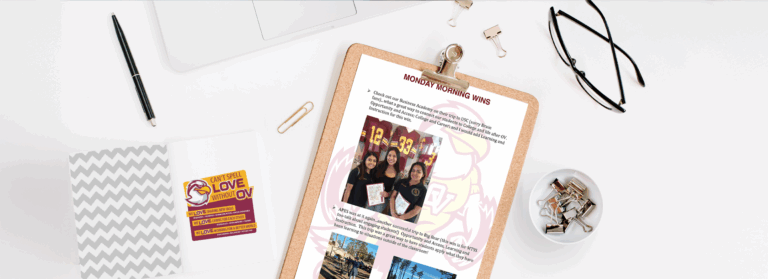
Monday Morning Wins: Staff Newsletters Support and Connect the School Community
When we expanded the implementation of Multi-Tiered System of Supports …

Reflection Prompts for School Leaders
- Which groups within your school community are contributing to regular communication at school?
- Who is listening and responding to communication?
- What groups currently are not represented in current communication? Who is not being served by current communication channels and why?
- What are the missed opportunities for students to own the message around the school’s vision for readiness and identity? How can students be given more opportunities to learn from and communicate with peers and families regularly?
Stay in the Loop
Subscribe to Our Newsletter

This work by Inflexion is licensed under Creative Commons Attribution-NonCommercial-ShareAlike 4.0 International


